
Electric scooters have quickly become one of the most popular ways to commute and move around cities. They’re lightweight, portable, affordable, and eco-friendly—making them a perfect choice for beginners who want a simple, efficient mode of transportation. But with hundreds of models available, choosing your first e-scooter can feel overwhelming.
This guide breaks everything down in easy-to-understand language so beginners can confidently choose the best scooter for their lifestyle, budget, and daily needs.
Why Buying the Right E-Scooter Matters
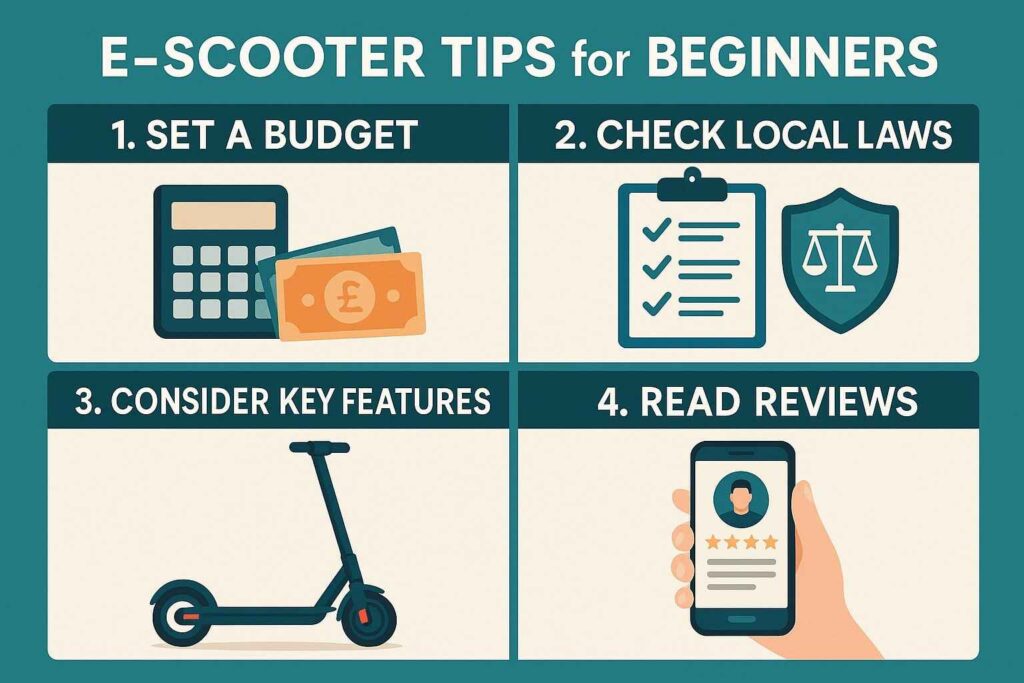
Your first e-scooter will shape your overall riding experience. A good scooter will feel smooth, stable, safe, and enjoyable. A poor choice can lead to discomfort, short battery life, or unexpected breakdowns.
Choosing carefully ensures:
- Better performance
- Longer lifespan
- More safety
- Higher comfort
- Better value for money
This guide helps you avoid mistakes and understand exactly what to look for.
1. Understand Your Riding Purpose
Before buying an e-scooter, ask yourself: How will I use it?
Daily commuting
Choose a scooter with:
- Long battery life
- Reliable brakes
- Comfortable ride quality
- Solid tyres or suspension
Short leisure rides
A lightweight, affordable scooter is enough.
Hilly areas
You’ll need:
- A strong motor
- Good torque
- Dual braking system
Carrying heavier loads
Look for scooters with higher load capacity and sturdy frames.
Your purpose will determine the ideal specifications.
2. Decide on the Right Speed and Motor Power
Most beginner e-scooters have speeds ranging from 15 mph to 20 mph, which is ideal for safe and comfortable rides.
Motor power recommendations:
- 250W–350W: Good for beginners and flat terrain
- 500W–800W: Better acceleration and hill-climbing
- 1000W+: High performance, more suited to experienced riders
Higher motor watts = more power and smoother riding.
3. Battery Life and Range: How Far Do You Want to Go?
Battery life determines distance. For daily commuting, choose a scooter with sufficient range so you don’t have to charge it twice a day.
Typical ranges:
- 10–15 miles: Short city trips
- 20–25 miles: Daily commuters
- 30+ miles: Long-distance riders
Think of your regular route and choose a scooter that can go at least 20% farther than your daily needs.
4. Weight and Portability
If you plan to carry your scooter upstairs, onto public transport, or in your car, weight becomes important.
Weight guidelines:
- Under 12 kg: Very portable
- 12–15 kg: Moderate
- 15–20 kg: Less portable but more stable
- 20+ kg: Heavy, usually high performance
Look for folding mechanisms that are easy and safe to operate.
5. Braking System: Safety First
Good brakes are essential for beginner riders.
Types of brakes:
- Electronic brakes: Smooth, low-maintenance
- Drum brakes: Reliable in all weather
- Disc brakes: Strong stopping power
For beginners, drum or disc brakes offer the safest experience.
6. Tyres: Solid vs Pneumatic
Tyres greatly affect ride comfort.
Solid tyres:
- No punctures
- Maintenance-free
- Slightly less comfortable
Pneumatic tyres:
- Better shock absorption
- Smoother rides
- Risk of punctures
For most beginners, pneumatic tyres are ideal for comfort and safety.
7. Suspension: Do You Need It?
Suspension improves shock absorption.
Best for:
- Rough roads
- Long-distance rides
- Heavier riders
If you commute on smooth pavement, you might not need suspension. But for general city riding, front or dual suspension offers a comfortable ride.
8. Build Quality and Frame Strength
A beginner-friendly e-scooter should feel solid and stable.
Look for:
- Durable aluminium or steel frame
- Quality screws and joints
- Stable handlebars
- Anti-slip deck
Poor build quality reduces safety and lifespan.
9. Safety Features to Look For
Safety is essential for new riders. Look for scooters that include:
- Bright front and rear lights
- Side reflectors
- Bell or electronic horn
- Water resistance rating (IP54 or higher)
- Sturdy, wide deck
- Reliable brakes
A scooter with proper safety features boosts confidence for beginners.
10. Price: Setting the Right Budget
Electric scooters come in many price ranges.
Beginner price ranges:
- £200–£350: Basic casual scooters
- £350–£550: Better battery, stronger brakes
- £600–£900: Reliable commuting models with suspension
- £1000+: High-performance scooters for experienced riders
Choose a scooter that fits both your needs and your budget.
11. Maintenance and Durability
Even beginner scooters require basic maintenance.
Learn how to:
- Check tyre pressure
- Tighten screws
- Clean the deck and frame
- Charge the battery properly
Choosing a scooter with accessible parts and good build quality reduces long-term costs.
12. Common Mistakes Beginners Should Avoid
Avoid these beginner errors:
- Buying the cheapest option
- Ignoring weight and portability
- Choosing high-speed models too early
- Forgetting about braking quality
- Ignoring water resistance
- Not considering after-sale parts availability
Buy smart and focus on long-term value.
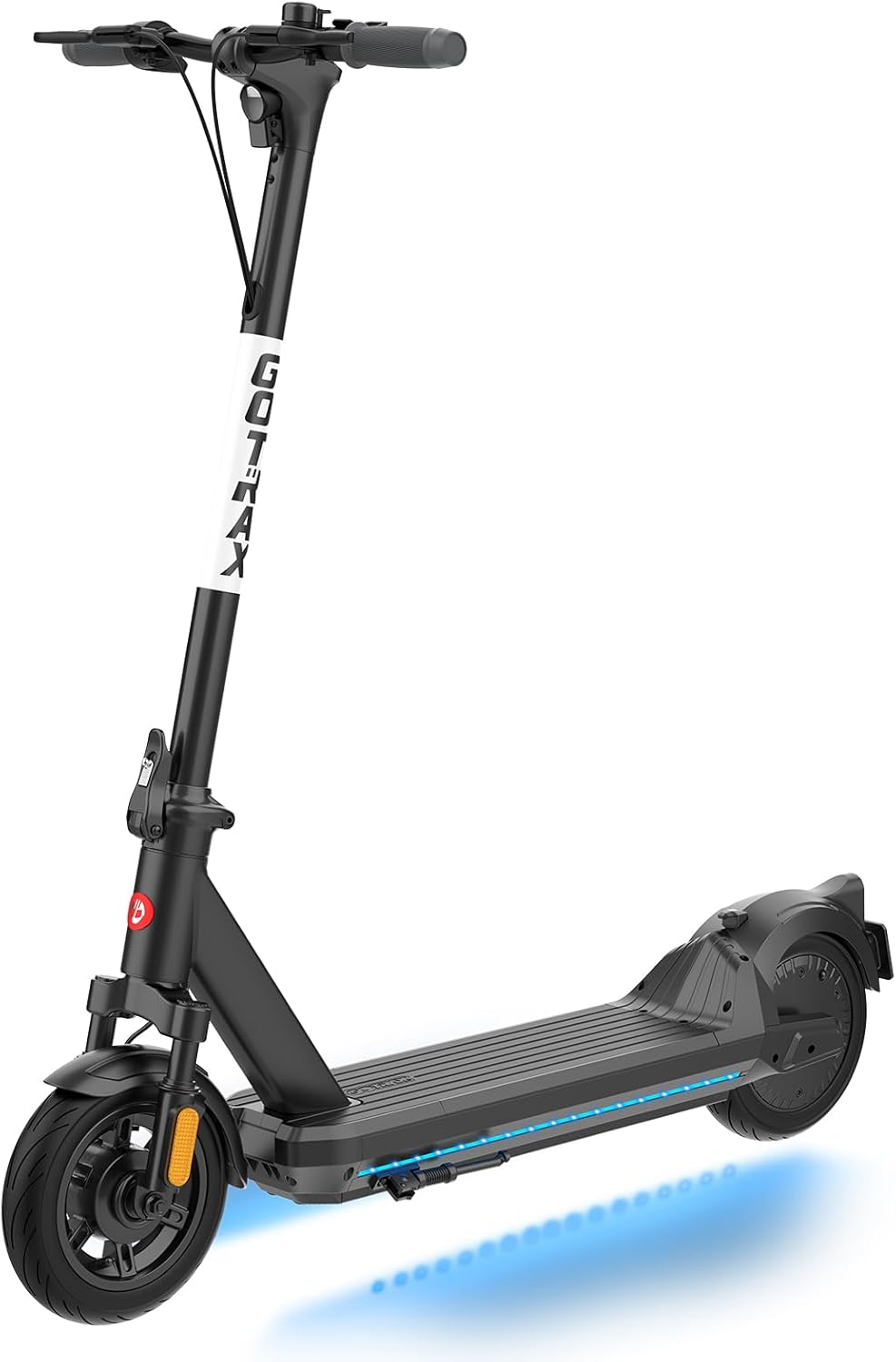
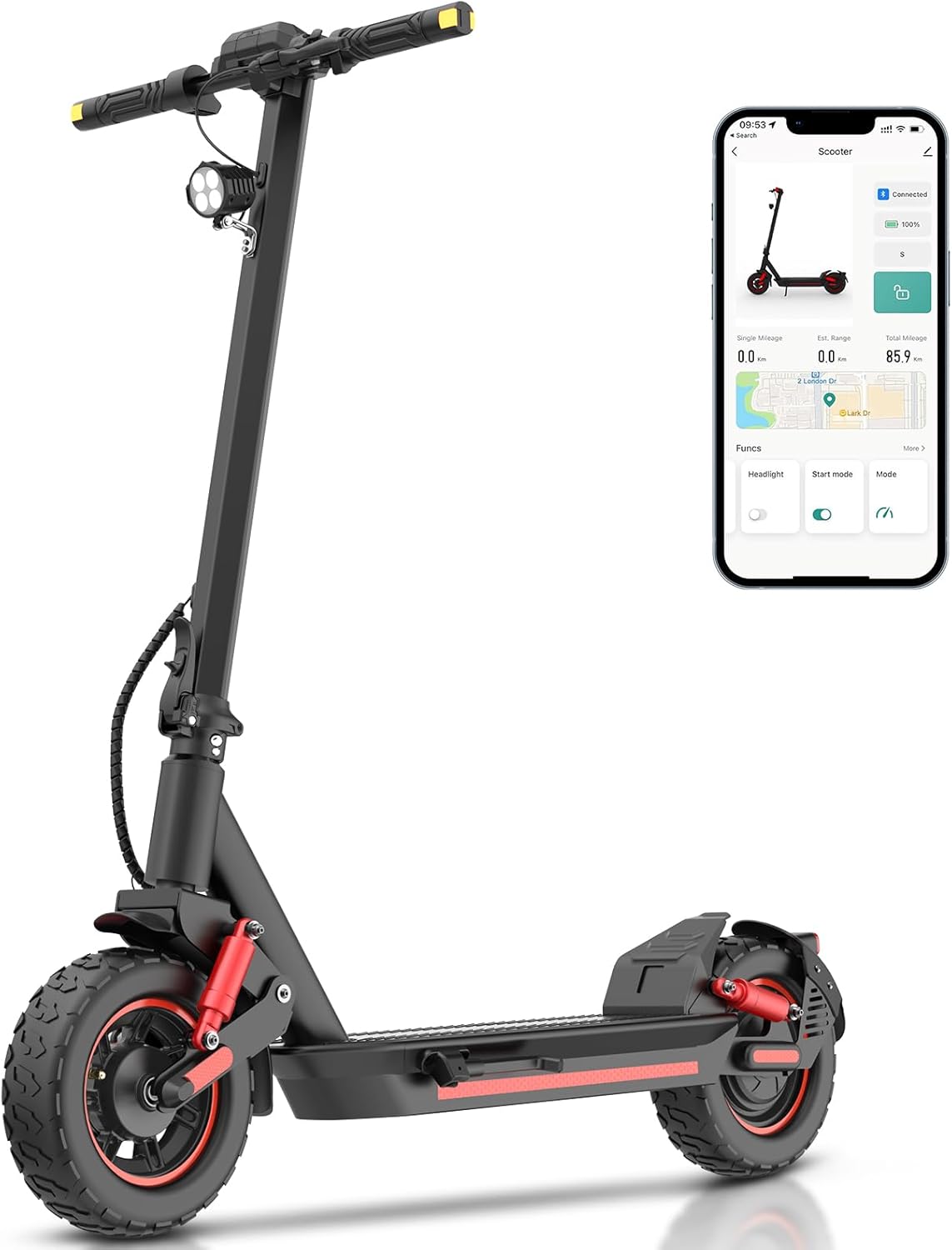
Featured & Recommended E-Scooters

Final Thoughts
Choosing your first electric scooter doesn’t have to be complicated. Focus on your riding purpose, the distance you need, comfort features, and build quality. With the right scooter, you’ll enjoy smooth commuting, fun weekend rides, and a more eco-friendly way to get around.
The perfect beginner e-scooter is one that fits your lifestyle—and now you have all the knowledge needed to find it.