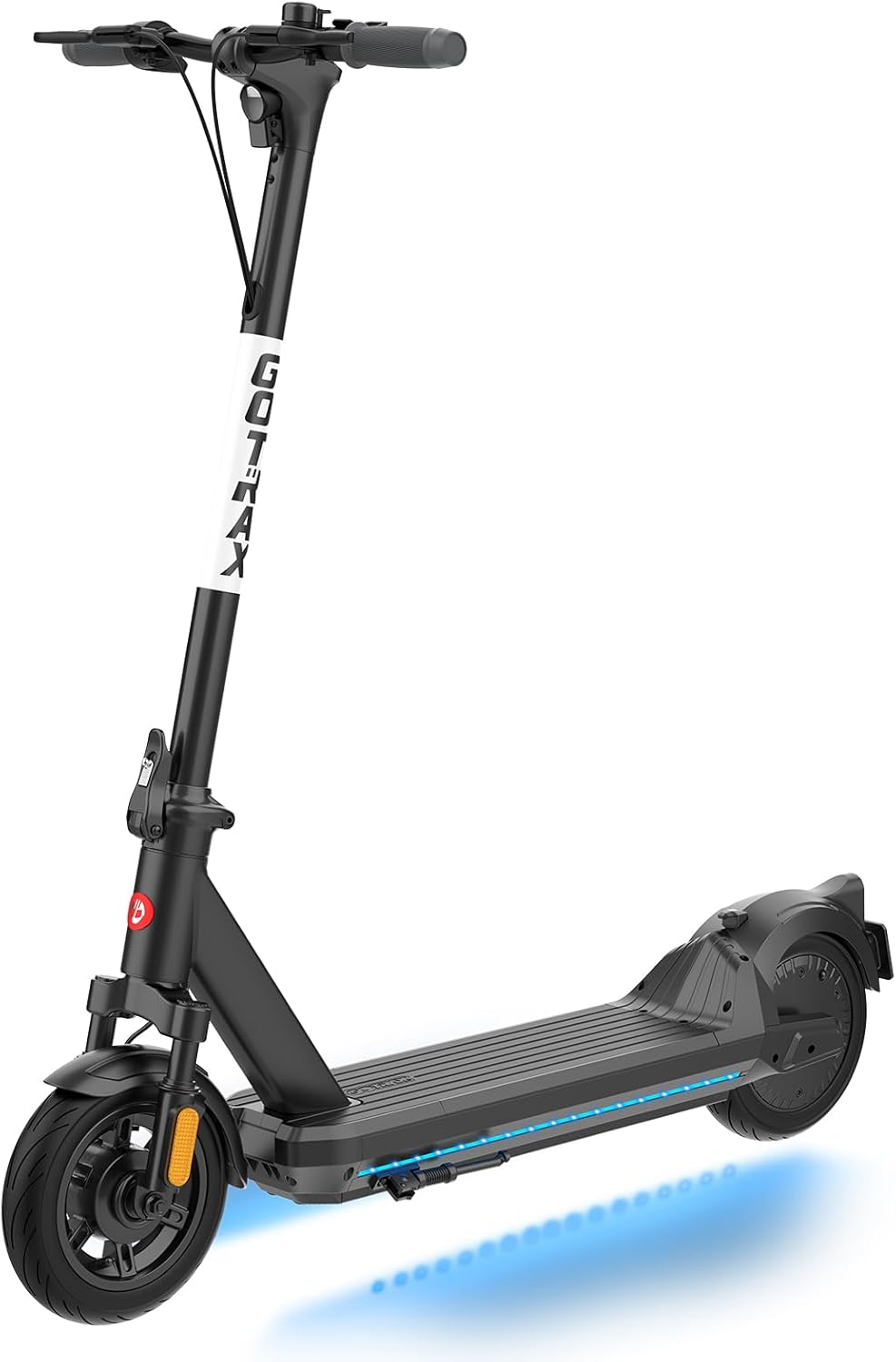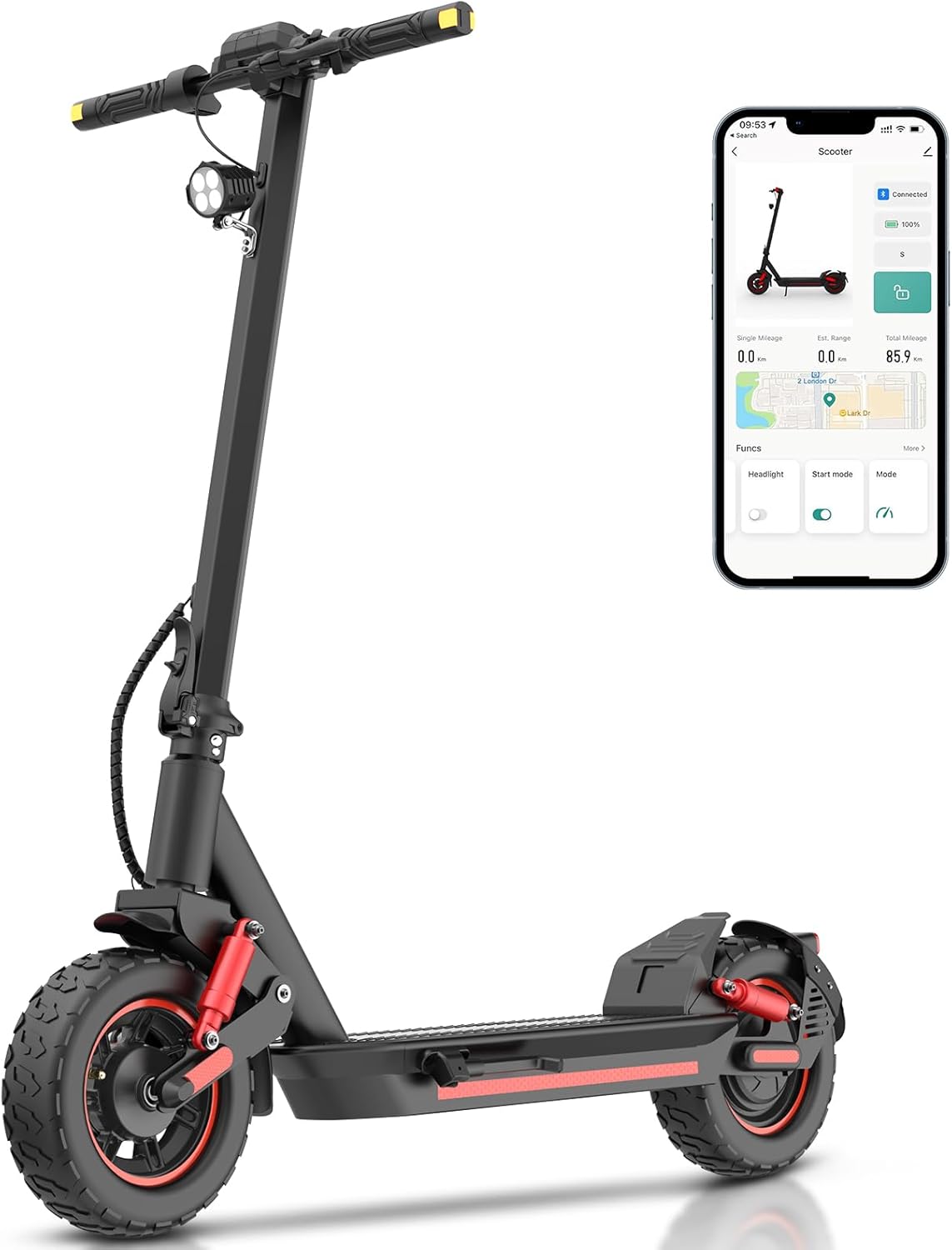
When choosing an electric scooter or electric bike, the motor system plays one of the biggest roles in overall performance. Riders often focus on speed, range, and design, but the motor type—hub motor or belt drive motor—determines how smooth the ride feels, how much noise it makes, how much power it can deliver, and how easy it is to maintain.
Both technologies have major advantages, and each one suits a different type of rider. Understanding how they work will help you choose the best electric ride for your lifestyle, terrain, budget, and performance expectations.
This detailed showdown explains everything you need to know about hub motors vs. belt drive systems, and which one is better depending on your needs.
What Is a Hub Motor?
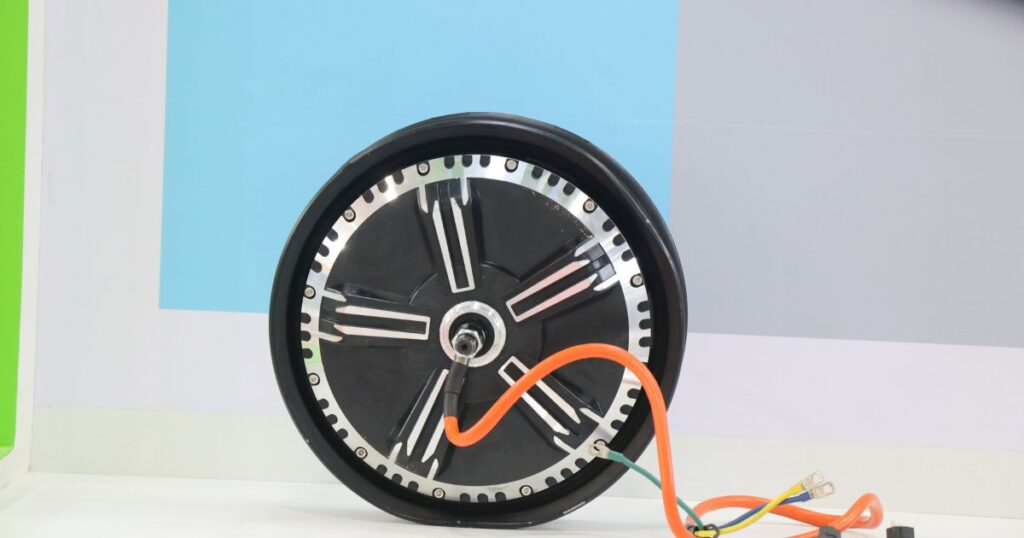
A hub motor is built directly into the wheel—either the front or rear wheel. The power from the motor goes straight to the wheel without needing chains or belts. This makes hub motors simple, practical, and widely used in electric scooters and entry-level e-bikes.
Hub motors come in two forms:
- Geared hub motors (more torque, slightly noisier)
- Gearless/direct drive hubs (smoother, quieter, and great for higher speeds)
Because everything is enclosed inside the wheel, hub motors require very little maintenance.
Why riders like hub motors
Hub motors are popular because they’re reliable, quiet, and smooth. They’re excellent for beginners and daily commuters who want a simple, stable riding experience with almost no upkeep.
What Is a Belt Drive Motor?
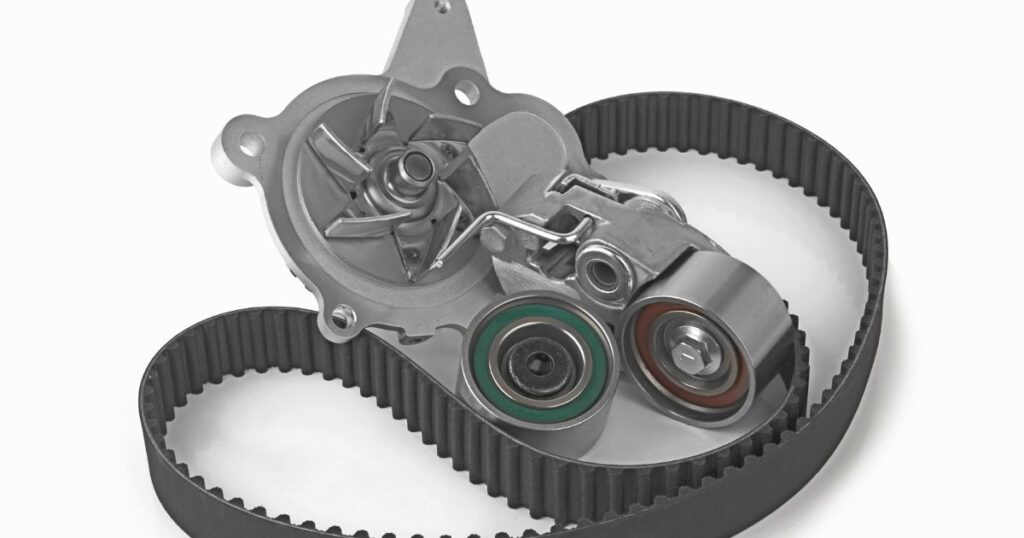
A belt drive system places the motor outside the wheel and uses a rubber or carbon belt to transfer power to the wheel. This setup is more advanced and used mostly in premium e-scooters and e-bikes.
Belts are flexible, silent, and durable. Unlike chain systems, belts don’t require lubrication and offer smoother acceleration. Belt drive motors also allow better weight distribution because the motor can be placed in the center of the scooter or bike frame.
Why riders like belt drive motors
Belt drives deliver extremely smooth power, better climbing torque, and a premium riding feel. They reduce vibrations and improve long-term durability while staying quieter than chain systems.
Hub Motor vs. Belt Drive: Performance Breakdown
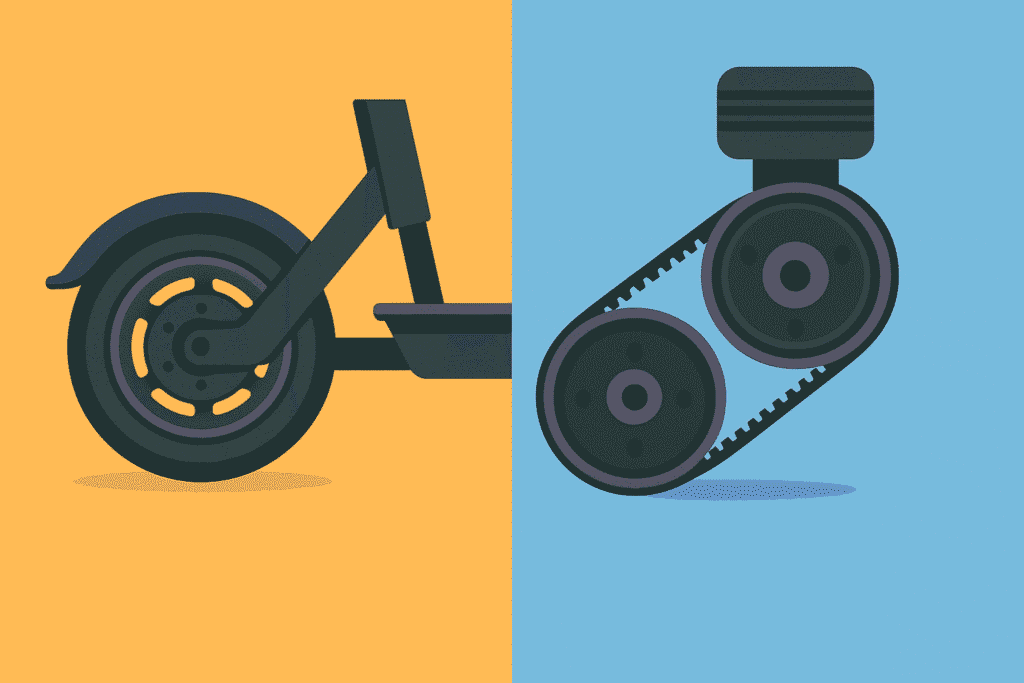
Now let’s look at how each system performs in the real world across several important categories.
1. Power Delivery and Acceleration
Hub motors provide instant torque since they drive the wheel directly. Acceleration is predictable and stable, especially at lower speeds. However, they can struggle with steep hills or carrying heavier riders unless the motor wattage is high.
Belt drive systems handle torque better. Because power is transferred through a belt and a transmission system, they deliver smoother and more controlled acceleration. They excel in hill climbing and mid-to-high-speed performance.
Winner for acceleration: Belt drive
Winner for instant start torque: Hub motor
2. Ride Smoothness and Comfort
Hub motors are generally smooth, especially gearless systems. But because the motor sits inside the wheel, bumps, cracks, and vibrations can transfer directly to the rider.
Belt drive setups absorb more shock because the motor is separated from the wheel. The belt also acts as a vibration dampener, meaning the ride feels softer and more premium.
Winner: Belt drive
3. Noise Level
Hub motors are very quiet, especially direct-drive models. You’ll hear a soft electric hum at most.
Belt drives are also quiet—significantly quieter than chain drive systems—but may produce a faint whispering sound from the belt movement.
Both are low-noise options, but hub motors are slightly quieter.
Winner: Hub motor
4. Maintenance and Durability
Hub motors are famous for their low maintenance. The entire system is sealed inside the wheel—no belts, no chains, no grease, and no adjustments.
Belt drives require more care than hub motors but far less than chain drives. Belts do not need lubrication, but they can stretch or wear out after years of use. Replacing a belt is easier and cleaner than replacing a chain, but still more work than a hub motor.
Winner: Hub motor
5. Efficiency and Range
Hub motors are highly efficient because they deliver power directly to the wheel, resulting in less energy loss and improved range.
Belt drive systems use a transmission belt, which introduces slight energy loss compared to a direct system. However, the difference is usually small and not a deal-breaker.
Winner: Hub motor
6. Hill-Climbing Ability
Hub motors often struggle with steep inclines unless they have a high wattage or are geared for torque. Many entry-level scooters with hub motors slow down on hills.
Belt drives excel here. The motor placement and belt-based power transfer allow more torque and better climbing performance.
Winner: Belt drive
7. Weight and Balance
Hub motors add weight to the wheel, which can affect handling slightly, especially on uneven roads. The weight distribution is not always ideal for high-performance rides.
Belt-driven systems allow the motor to be mounted in a central position. This improves stability, balance, and maneuverability—key advantages for performance riders.
Winner: Belt drive
8. Cost Differences
Hub motor scooters and bikes are usually more affordable. They’re easier to manufacture, repair, and replace.
Belt drive systems are more expensive due to their more complex engineering, materials, and performance-focused design.
Winner for affordability: Hub motor
Winner for premium quality: Belt drive
Which Motor Is Better for You?
Here’s the simplest way to decide:
✔ Choose a Hub Motor if you want:
- A budget-friendly electric scooter or e-bike
- Minimal maintenance
- Quiet operation
- Basic commuting or flat-road riding
- Smooth, predictable performance
- A beginner-friendly experience
Hub motors are ideal for casual riders and everyday commuters who want reliability with no technical fuss.
✔ Choose a Belt Drive Motor if you want:
- Superior ride quality
- Better hill-climbing power
- A premium, smoother riding experience
- Better weight distribution
- Quieter operation than chains
- A performance-focused scooter or bike
Belt drive systems are perfect for riders who want a premium feel, more torque, and a smoother road experience.
Final Verdict
There is no one “best” motor—it depends on your needs.
- Hub motors are better for most everyday riders: reliable, affordable, nearly maintenance-free, and quiet.
- Belt drives are the choice for performance riders: stronger power delivery, smoother rides, and better torque.
If you want simplicity and cost-effectiveness, choose a hub motor.
If you want power and premium riding comfort, choose a belt drive.