
Electric scooters have quickly become one of the most popular ways to travel short distances. Whether it’s commuting to work, navigating busy city streets, or simply enjoying an eco-friendly ride, e-scooters offer convenience and freedom. But with growing popularity comes the rising need for safety awareness—especially for beginners who may not be familiar with proper riding techniques, road rules, or protective gear.
Riding an electric scooter might seem simple, but staying safe requires knowledge, preparation, and responsible habits. This detailed guide covers essential electric scooter safety tips for beginners, including riding techniques, protective gear, battery safety, braking, handling, UK riding rules, accident prevention, and common beginner mistakes to avoid. It includes all related keywords such as electric scooter safety tips, beginner e-scooter guide, safe scooter riding techniques, UK scooter safety, scooter maintenance, braking safety, helmet safety, and more.

Why Safety Matters for Electric Scooter Riders
Electric scooters may be small, but they’re powerful machines capable of speeds between 15–25 mph. For beginners, this speed can feel much faster than expected, especially on uneven roads or crowded streets. Most e-scooter accidents happen due to:
- Lack of awareness
- Poor balance or control
- Riding without protective gear
- Riding too fast
- Not understanding braking distance
- Slippery or uneven roads
- Poor visibility conditions
- Inexperience around traffic
Even a minor fall can result in injuries if proper precautions are not taken. Learning the right techniques from the beginning ensures safer, more confident rides.
1. Always Wear the Right Safety Gear
Safety gear is your first line of defense. A helmet alone can reduce the risk of severe head injury significantly.
Essential Items All Beginners Should Wear
- Helmet (recommended: scooter or bike helmet)
- Wrist guards (most common injury area)
- Knee pads and elbow pads
- Closed-toe shoes with grip
- Reflective jacket or straps at night
Never ride with sandals, slippers, or barefoot—your shoes need grip and stability for proper control.
Why Gear Matters More for Beginners
Beginners tend to:
- Brake harder and more suddenly
- Lose balance more easily
- Misjudge turns
- Struggle with uneven surfaces
Protective gear absorbs these unavoidable beginner mistakes.
2. Start Slow and Learn the Controls First
Before going into traffic or busy areas, practice in a quiet, open space.
Learn how to:
- Accelerate smoothly
- Brake gradually
- Maintain balance at low speed
- Make wide, controlled turns
- Avoid sudden leaning
- Follow a straight line
Most beginners fall because they accelerate too fast or panic-brake.
3. Keep Both Hands on the Handlebars
Electric scooters respond to small movements. Riding one-handed decreases:
- Balance
- Reaction time
- Steering control
Do not drink, hold a phone, eat, or adjust earbuds while riding. Even small distractions can cause serious loss of control.
Use a phone holder if you need navigation.
4. Maintain a Stable Riding Position
A proper stance helps with balance and control.
Correct Riding Position
- Place one foot forward
- Keep the other foot slightly behind (surfboard stance)
- Bend your knees slightly
- Lean forward a little when accelerating
- Lean back slightly when braking
This position absorbs bumps and improves stability.

5. Use Both Brakes Smoothly
Beginners often rely too much on the rear brake or slam the front brake—both can lead to falls.
Brake the Right Way
- Apply brakes gently
- Distribute pressure
- Slow down before turning
- Never brake hard while turning
- Always watch ahead for obstacles
Smooth braking keeps you balanced and prevents skidding.
6. Avoid Riding in the Rain or Wet Conditions
Electric scooters lose grip on:
- Wet roads
- Slippery pavements
- Tiles
- Painted road markings
- Metal surfaces (manhole covers)
Wet surfaces make turning and braking dangerous. Beginners should avoid riding in rain completely, even if the scooter claims to be waterproof.
7. Check Tyres, Brakes, and Battery Before Every Ride
A quick pre-ride inspection takes 30 seconds and prevents many accidents.
Check the following:
- Tyre pressure (low pressure = poor control)
- Brake responsiveness
- Battery level
- Folding latch locked properly
- Lights working
- Throttle smoothness
Scooter maintenance is crucial for safety and prolongs the life of your e-scooter.
8. Always Use Lights at Night
Electric scooters are small and quiet, making them hard for cars to notice.
At night or early morning:
- Turn on front and rear lights
- Use reflective clothing
- Ride slower
- Avoid dark roads with no street lights
Visibility is one of the most important scooter safety factors.
9. Avoid Busy Roads and High-Traffic Areas as a Beginner
Start in:
- Quiet streets
- Empty parking lots
- Parks (where allowed)
- Low-traffic neighbourhoods
Do not begin on:
- Main roads
- Roundabouts
- Fast-moving traffic areas
- Crowded pedestrian zones
Once you gain confidence, gradually move to busier areas.
10. Learn Safe Turning Techniques
Turning is where most beginners lose balance.
Safe Turning Tips
- Slow down before the turn
- Lean slightly with the scooter
- Do not turn at full speed
- Keep knees flexible
- Use both hands
- Avoid sharp turns at high speed
Practice wide turns first, then tighter ones.
11. Understand Local Riding Rules (Especially UK Beginners)
In the UK:
- Private electric scooters cannot be used on public roads or pavements
- Rental e-scooters are allowed under government trial schemes
- Minimum age: 16+ for rental scooters
- A driving licence is required for rentals
- Helmets recommended, though not mandatory
Riding illegally can result in:
- Fines
- Penalty points
- Scooter confiscation
Knowing the rules ensures you stay safe and avoid trouble.
12. Don’t Ride With Passengers
Electric scooters are designed for one rider. Carrying:
- Children
- Friends
- Pets
…reduces stability, increases weight, and makes braking unsafe.
13. Avoid Earphones or Loud Music
You need to hear:
- Cars
- Cyclists
- Pedestrians
- Emergency vehicles
- Horns
- Road noises
If you must listen to audio, use a single open-ear earbud, not noise-cancelling headphones.
14. Stay Alert and Scan the Road Ahead
Beginners often focus too closely on the scooter or the ground. Train your eyes to look ahead.
Scan for:
- Potholes
- Cracks in the road
- Pebbles
- Wet surfaces
- People stepping out suddenly
- Vehicles turning
- Doors opening in cycle lanes
Awareness prevents accidents before they happen.
15. Avoid Sudden Movements
Quick jerks of the handlebar can destabilize your scooter.
Avoid:
- Fast direction changes
- Hard leaning
- Abrupt acceleration
- Sudden braking
- Jumping off while moving
Smooth movements = safe riding.
16. Keep Your Scooter Clean and Well-Maintained
A dirty or poorly maintained scooter increases risk.
Clean:
- Tyres
- Deck
- Handlebar grips
- Brake discs
- Lights
Avoid water around the battery area.
17. Use Beginner Mode If Your Scooter Has It
Many modern scooters include:
- Beginner mode
- Eco mode
- Slow riding mode
These limit speed and acceleration, making it easier to learn safely.
18. Don’t Ride When Tired or Distracted
Fatigue slows reaction time and impairs balance—both critical for safe riding.
19. Wear Proper Gloves for Grip
Sweaty hands make the handlebars slippery. Gloves improve:
- Grip
- Comfort
- Control
- Shock absorption
Great for long rides or cold weather.
20. Choose a Beginner-Friendly Electric Scooter
Beginner scooters should have:
- Smooth acceleration
- Reliable brakes
- Good balance
- Sturdy tyres
- Speed limits
- Wide deck
High-speed performance scooters are not suitable for new riders.
Recommended Amazon Products
1. Beginner-Friendly Electric Scooter Helmet
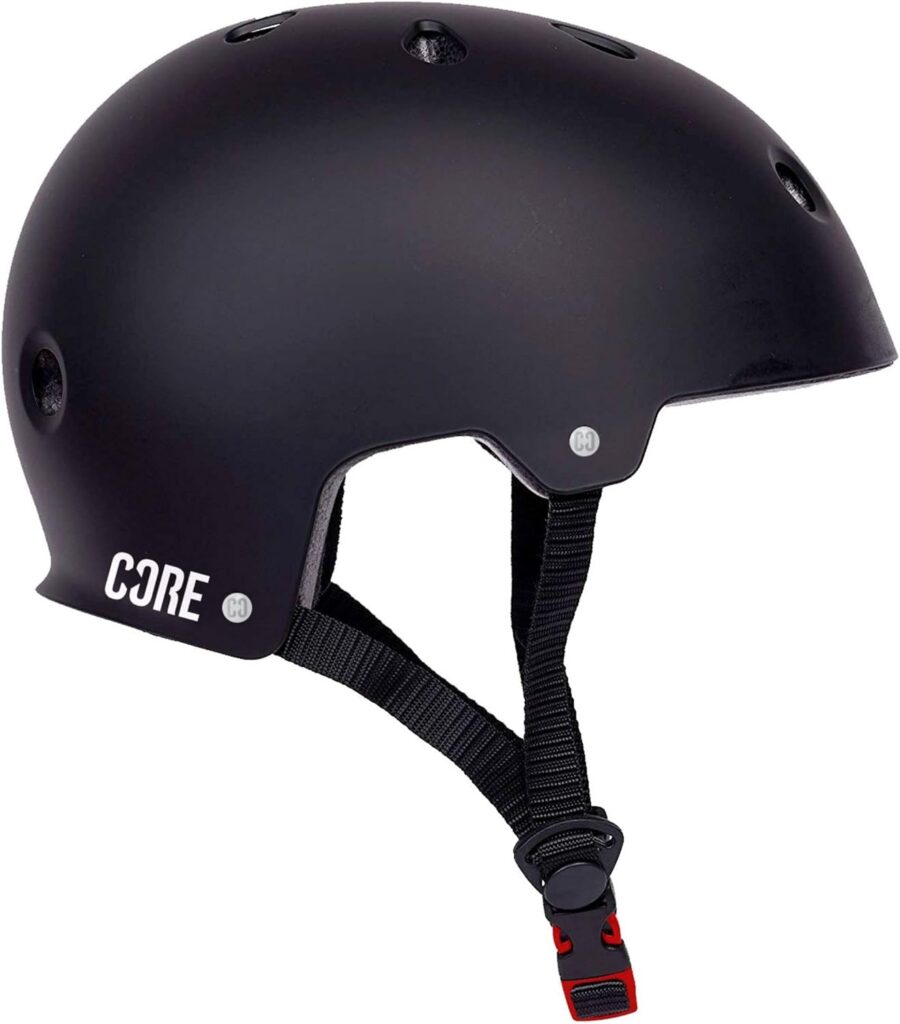
A lightweight, durable helmet perfect for new riders. Excellent ventilation, secure straps, and strong impact protection.
2. Electric Scooter Protective Gear Set (Knee, Elbow, Wrist)

Ideal for beginners needing extra protection. Comfortable padding, sturdy straps, and shock-absorbing materials make it perfect for everyday riding.
Electric scooters are fun, but their safety depends heavily on how responsibly you ride them. As a beginner, take time to learn the basics, wear proper safety gear, practice in safe areas, and gradually build your confidence. A well-prepared rider is far less likely to experience accidents and will enjoy smoother, safer, and more comfortable journeys.
By following the electric scooter safety tips in this guide, you’ll develop strong riding habits that stay with you as you progress from beginner to confident daily rider.