
Electric scooters have exploded in popularity across the world—and the UK is no exception. As cities work to reduce pollution and congestion, more people are turning to e-scooters as a convenient and eco-friendly alternative for short journeys. But how environmentally friendly are electric scooters really? Do they significantly reduce emissions? What about battery waste, manufacturing impacts, and energy consumption?
This comprehensive guide explores the environmental footprint of electric scooters from every angle—production, charging, lifespan, and long-term sustainability.
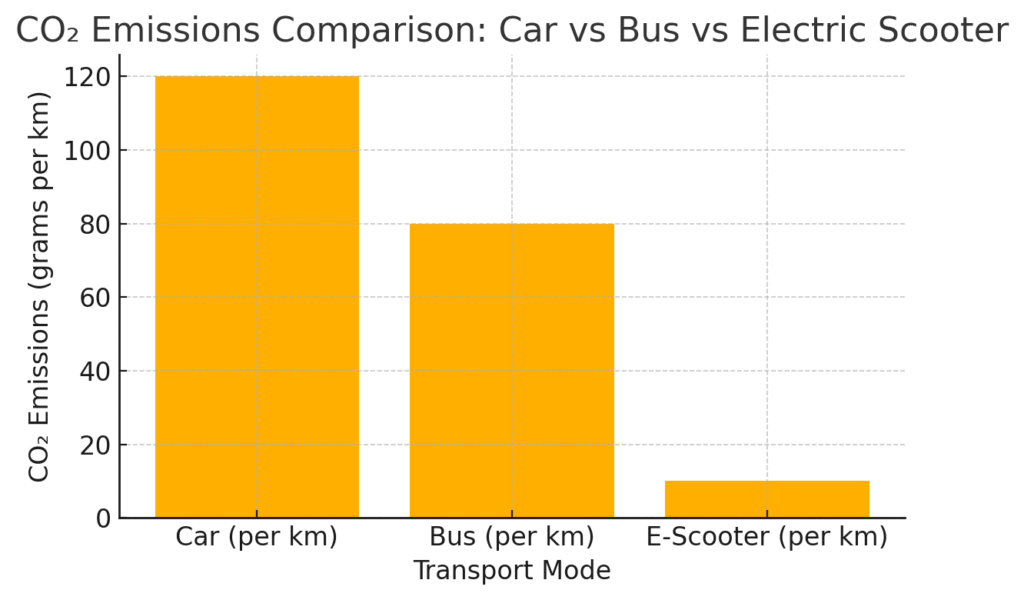
To begin, here’s a simple visual comparison showing estimated carbon emissions from different modes of transportation:
Why Electric Scooters Are Considered Eco-Friendly
Electric scooters are widely promoted as “green transport” because they produce zero tailpipe emissions. Unlike petrol vehicles, they do not release carbon dioxide, nitrogen oxides, or harmful particulates while in use. For short journeys of 1–5 miles, e-scooters provide a cleaner alternative to cars and mopeds.
Electric scooters reduce traffic congestion
In dense cities, a single small e-scooter takes up far less space than a car. This indirectly reduces idling time and helps improve traffic flow.
Lower noise pollution
Electric scooters produce virtually no noise, improving the overall sound environment of busy areas.
Ideal for short distances
A significant percentage of car journeys in the UK are under 3 miles—distances that e-scooters can easily replace.
Environmental Benefits of Electric Scooters
1. Extremely Low CO₂ Emissions Per Kilometer
Most electric scooters emit only a tiny fraction of the carbon produced by petrol cars—especially when the electricity used for charging comes from renewable sources. Even accounting for the full lifecycle, e-scooters generally outperform traditional transport options.
Typical CO₂ emissions per km:
- Car: High emissions
- Bus: Moderate emissions
- Electric scooter: Very low emissions
As the electricity grid becomes greener, e-scooter emissions decrease even further.
2. Energy Efficient Compared to Cars or Motorbikes
Electric scooters consume very little energy. A typical full charge uses about the same electricity as running a microwave for a few minutes. That makes the environmental cost per ride almost negligible.
Key points:
- E-scooters require far less energy to operate
- Charging is inexpensive and low-impact
- Motor efficiency is high, and rolling resistance is low
This makes them one of the most efficient personal mobility vehicles.
3. Reduction in Air Pollution
Air quality is one of the biggest challenges facing UK cities. Petrol and diesel vehicles are a major source of harmful pollutants such as nitrogen oxides and particulate matter.
Switching even a small percentage of car users to electric scooters can meaningfully improve urban air quality.
4. Decreasing Reliance on Fossil Fuels
Unlike petrol vehicles, electric scooters rely entirely on electricity. As the UK continues shifting toward renewable energy, e-scooters will become even cleaner.
Environmental Concerns and Limitations
While electric scooters offer many environmental advantages, they are not impact-free. Understanding these concerns helps riders and cities make informed choices.
1. Battery Production and Disposal
Electric scooters use lithium-ion batteries. Mining lithium, cobalt, and nickel has environmental and ethical implications.
Common concerns:
- Mining impacts
- Energy required to manufacture batteries
- End-of-life battery waste
However, many manufacturers are adopting recycling programs and using safer, more abundant materials.
2. Scooter Lifespan and Durability
Early shared scooters had short lifespans due to misuse, vandalism, and harsh conditions. Modern designs are far stronger and built for 2–5 years of heavy use.
Longer lifespans significantly reduce environmental impact by spreading manufacturing emissions across more miles ridden.
3. Charging Practices and Fleet Management
In rental schemes, scooters are often collected and redistributed using vans, which can affect environmental performance. However, operators have improved logistics dramatically.
Recent improvements:
- Swappable battery systems
- Electric fleet vans
- Better geofencing to reduce retrieval needs
- More efficient charging hubs
As cities invest in proper infrastructure, shared scooters continue to become greener.
Are Private Electric Scooters More Eco-Friendly Than Rentals?
Private e-scooters are often more environmentally friendly than rental ones because:
- They avoid the need for collection vans
- They typically last longer due to careful personal use
- They are charged at home where energy efficiency is higher
- They experience less wear and tear
From an environmental perspective, private scooters are usually the greener option.
Environmental Impact Breakdown: Full Lifecycle Analysis
To determine whether e-scooters are environmentally friendly overall, we must consider their entire lifecycle:
1. Manufacturing
Moderate environmental cost due to battery production and materials.
2. Transportation
Shipping from factories produces emissions.
3. Usage
Very low emissions — extremely efficient transportation.
4. Maintenance
Minimal environmental cost (tyres, bearings, brakes).
5. End-of-life
Recycling opportunities are improving but still developing.
Even with these factors considered, the total carbon footprint of an electric scooter remains far lower than that of cars or motorbikes.
Do Electric Scooters Help the Environment? Final Verdict
Yes — electric scooters are environmentally friendly, especially when:
- They replace car trips
- The electricity used comes from renewable sources
- They are well-maintained and used for multiple years
- They are recycled properly at the end of their life
While not entirely carbon-neutral, e-scooters offer a cleaner, quieter, and greener alternative to traditional transport.
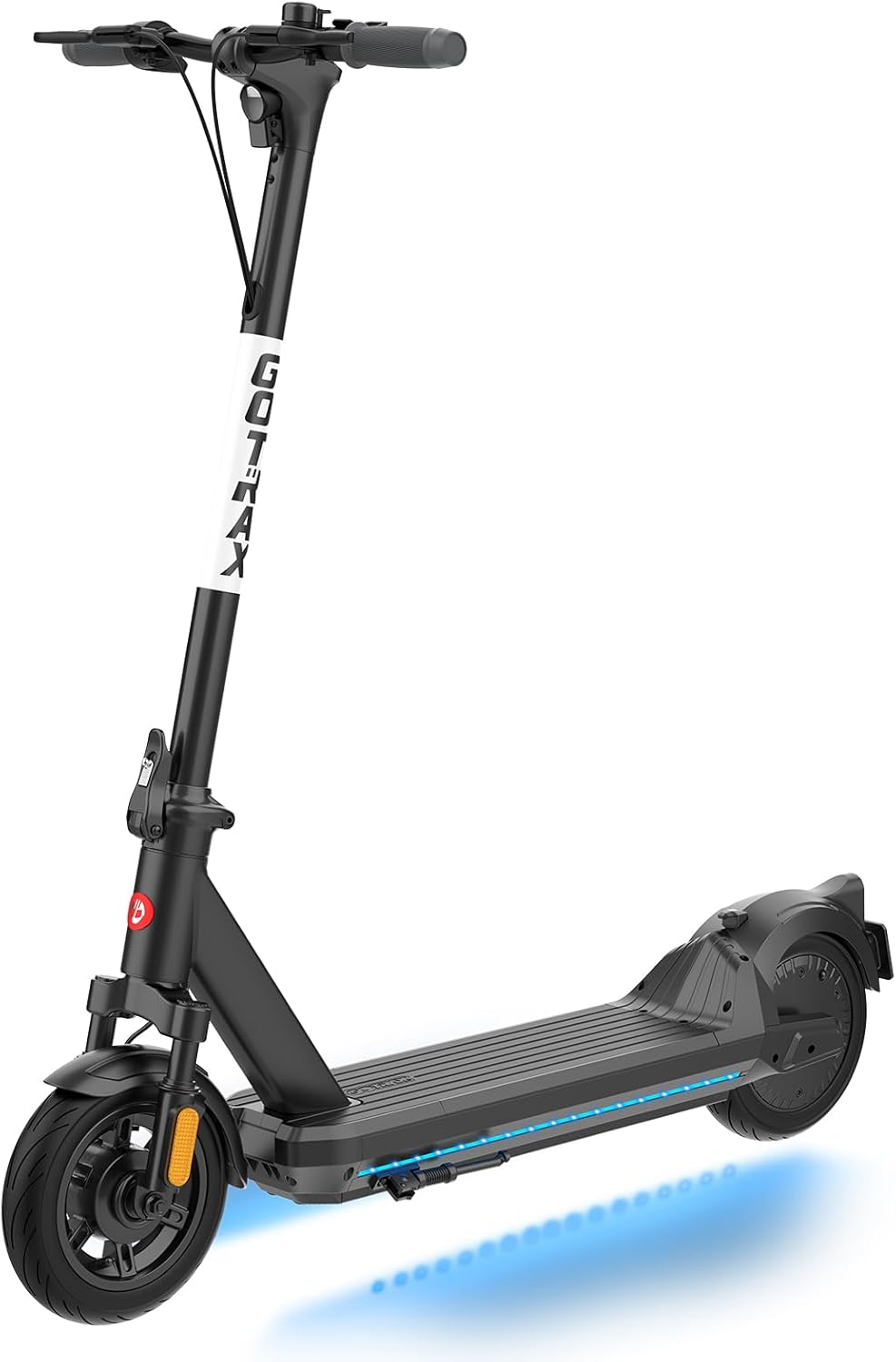
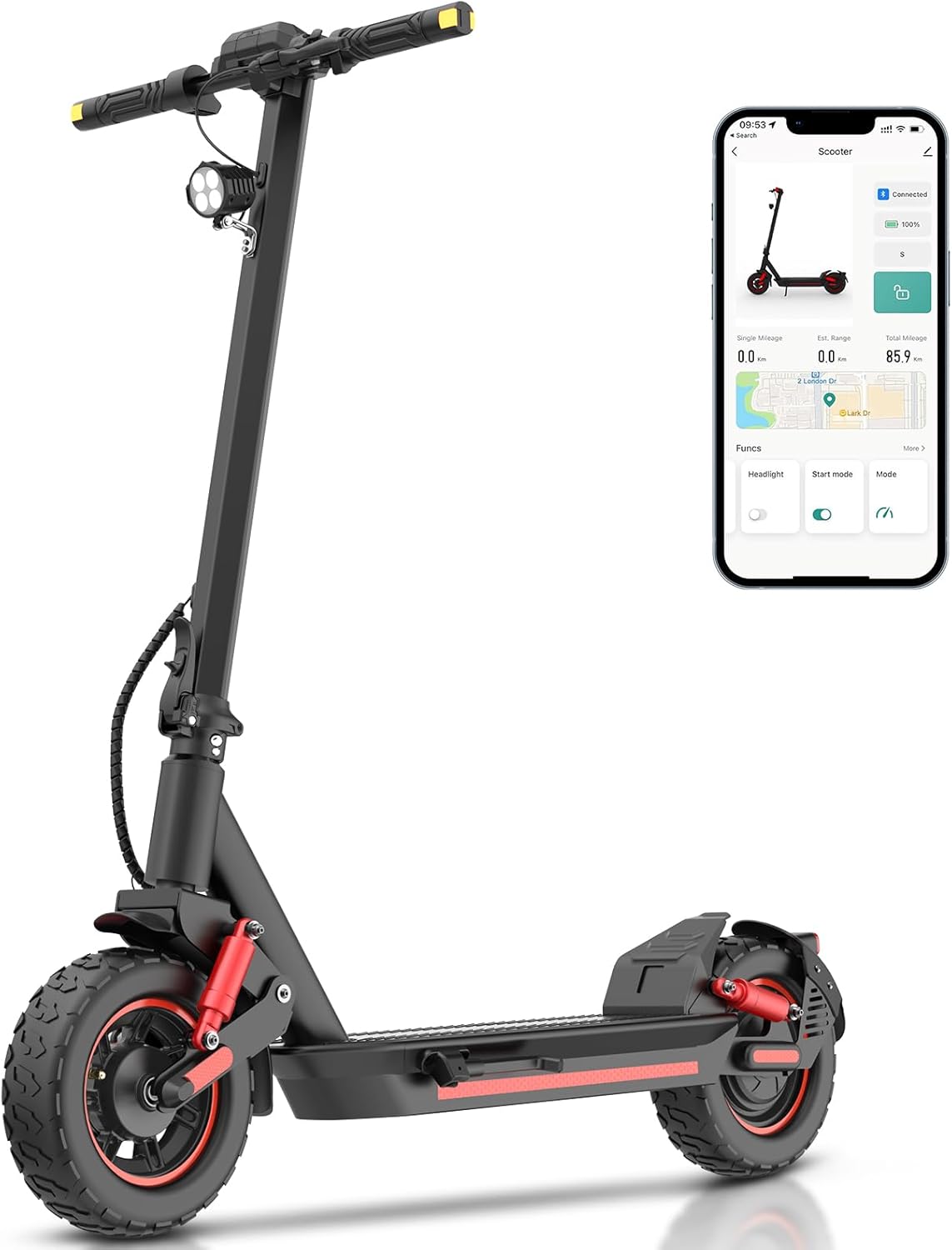
Featured & Recommended E-Scooters

Final Thoughts
Electric scooters represent a significant step toward sustainable urban mobility. With low operational emissions, high energy efficiency, and the ability to replace thousands of short car trips, e-scooters are one of the most environmentally friendly personal transport options available today.
As technology improves and battery recycling becomes more efficient, their eco-benefits will grow even stronger. Whether you’re a commuter, student, or casual rider, choosing an electric scooter can help reduce your carbon footprint while keeping daily travel fast, convenient, and enjoyable.