
Electric scooters are convenient, efficient, and fun to ride, but like any vehicle, they need regular maintenance to stay safe and reliable. The good news is that most e-scooter care can easily be done at home without any special tools or mechanical experience. A few simple steps performed consistently will extend your scooter’s lifespan, improve performance, and save you money on repairs.
This guide explains the most important home maintenance tasks every rider should know, why they matter, and how often you should perform each one.
Why Home Maintenance Matters
Proper maintenance keeps your scooter running smoothly and prevents small problems from turning into expensive repairs. Even high-quality electric scooters need routine checks. A well-maintained scooter has better acceleration, safer braking, improved battery health, and fewer breakdowns. It also helps protect components such as the motor, controller, and tyres from unnecessary wear.
For daily commuters, a few minutes of maintenance every week can make a big difference in long-term durability.
Regular Cleaning to Keep Your Scooter Healthy
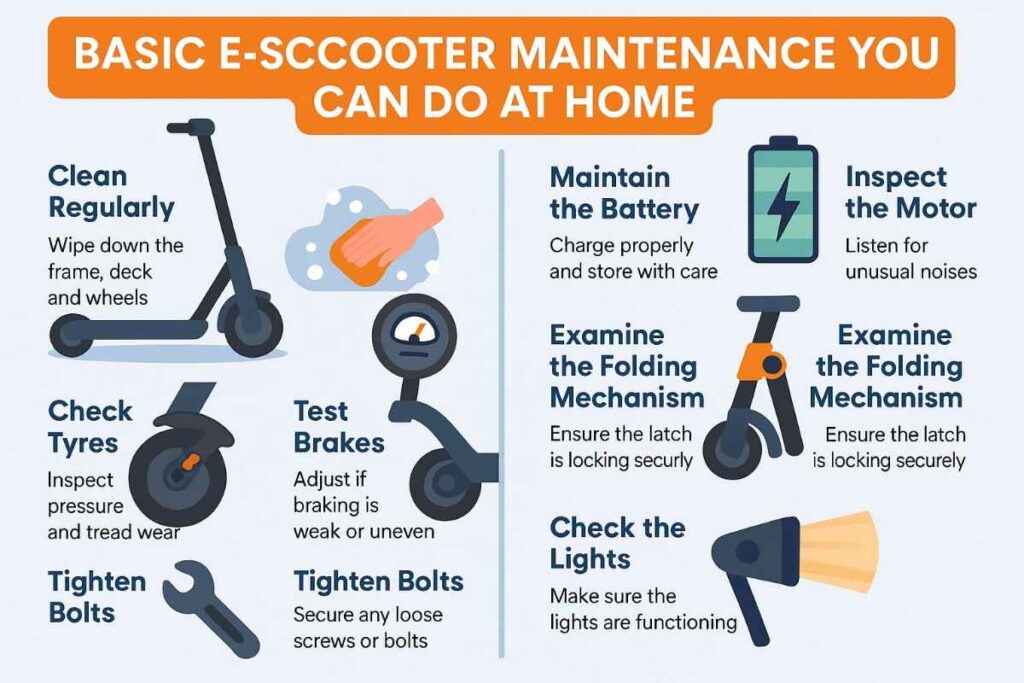
Cleaning your scooter might seem simple, but dirt, dust, and debris can slowly damage components if ignored. Wipe down the frame, deck, handlebars, and wheels using a damp cloth and mild soap. Avoid spraying water directly into sensitive areas such as the motor, display, throttle, or charging port. Moisture can affect electrical connections, so only wipe—never hose down.
A clean scooter prevents dirt from entering bearings, improves braking, and reduces rust buildup on metal parts. Pay special attention to the wheels and braking system, where grime often accumulates.
Tyre Care: Pressure, Wear, and Replacements
Tyres are one of the most important safety elements of your e-scooter. Pneumatic (air-filled) tyres need to be checked regularly for correct air pressure. Riding with low pressure increases puncture risk and drains the battery faster because the motor works harder.
Check tyre pressure weekly and inflate according to the manufacturer’s recommended PSI. Inspect for cracks, bald spots, or embedded objects that may lead to punctures. Solid tyres require less maintenance, but still check for damage or excessive wear, especially around the edges.
If your scooter feels bumpy, unstable, or harder to steer, it may be time for a tyre replacement.
Checking and Adjusting the Brakes
Your brakes are crucial for safe riding, and they must be checked frequently. Electric scooters come with different braking systems such as mechanical disc brakes, drum brakes, and electronic brakes. Mechanical brakes require the most attention because brake pads gradually wear down.
Spin the wheels and listen for scraping or rubbing sounds. If the brake lever feels loose or requires more pressure, tightening the brake cable will restore braking power. Inspect brake pads every few weeks and replace them if they look thin or uneven.
Electronic brakes usually require no manual adjustments, but they should still be tested for responsiveness before riding.
Battery Maintenance for Longer Lifespan
The battery is the most expensive part of your electric scooter, so taking care of it is essential. Good battery habits can dramatically extend its lifespan and prevent performance issues.
Avoid letting the battery drain to 0%. Try to keep the charge between 20% and 80% for daily use. Charge the scooter after each ride but allow it to cool down for ten minutes before plugging it in. Store your scooter at moderate temperatures; heat shortens battery life, and extreme cold reduces performance.
If storing your scooter for long periods, keep the battery around half-charged and recharge it once a month.
Keeping Screws, Bolts, and Folding Mechanisms Tight
Electric scooters experience vibration during rides, causing screws and bolts to loosen over time. A loose folding mechanism or handlebar clamp can be extremely dangerous.
Once a week, inspect all screws on the stem, handlebar, deck, and folding hinge. Use the correct Allen key or screwdriver to tighten anything that feels loose. Avoid overtightening, which can strip threads or damage the frame.
Check the folding latch for wobble or play and make sure it locks securely before each ride.
Lubrication for Moving Parts
Some scooters have moving components that benefit from occasional lubrication, such as the folding hinge or suspension springs. Use a silicone-based spray, not oil-based lubricants, because oil attracts dirt.
Apply a small amount, wipe excess, and test the movement to ensure smooth operation. Do not lubricate the brakes or the area around brake rotors.
Motor and Wheel Checks
The motor generally requires little maintenance, but you should still check for unusual noises or vibrations. If the motor starts making grinding sounds, debris may be caught inside the wheel housing.
Spin the wheel freely and make sure it rotates without resistance. If it wobbles or feels misaligned, the axle nuts may need tightening. For hub motors, avoid exposing them to water or riding through deep puddles.
Suspension System Inspection
If your scooter has suspension, check the springs or shocks for visible wear. Look for leaking fluid, loosened mounts, or reduced bounce. A well-functioning suspension improves comfort, safety, and tyre longevity.
Clean around suspension components to prevent dust buildup that may interfere with movement.
Checking the Lights and Electrical Components
Lights are essential for night riding and visibility. Test the headlight, rear light, turn signals (if available), and display screen regularly. Ensure the charging port cover seals properly to prevent water ingress.
If any electrical part flickers or fails, inspect the wiring for loose connections. Many issues are caused by simple wiring disconnections that can be easily fixed.
When to Seek Professional Help
Some repairs should not be done at home unless you are trained, such as controller replacement, internal wiring repairs, battery repairs, or motor rewinding. If you notice burning smells, overheating, or severe performance changes, consult a professional before riding again.
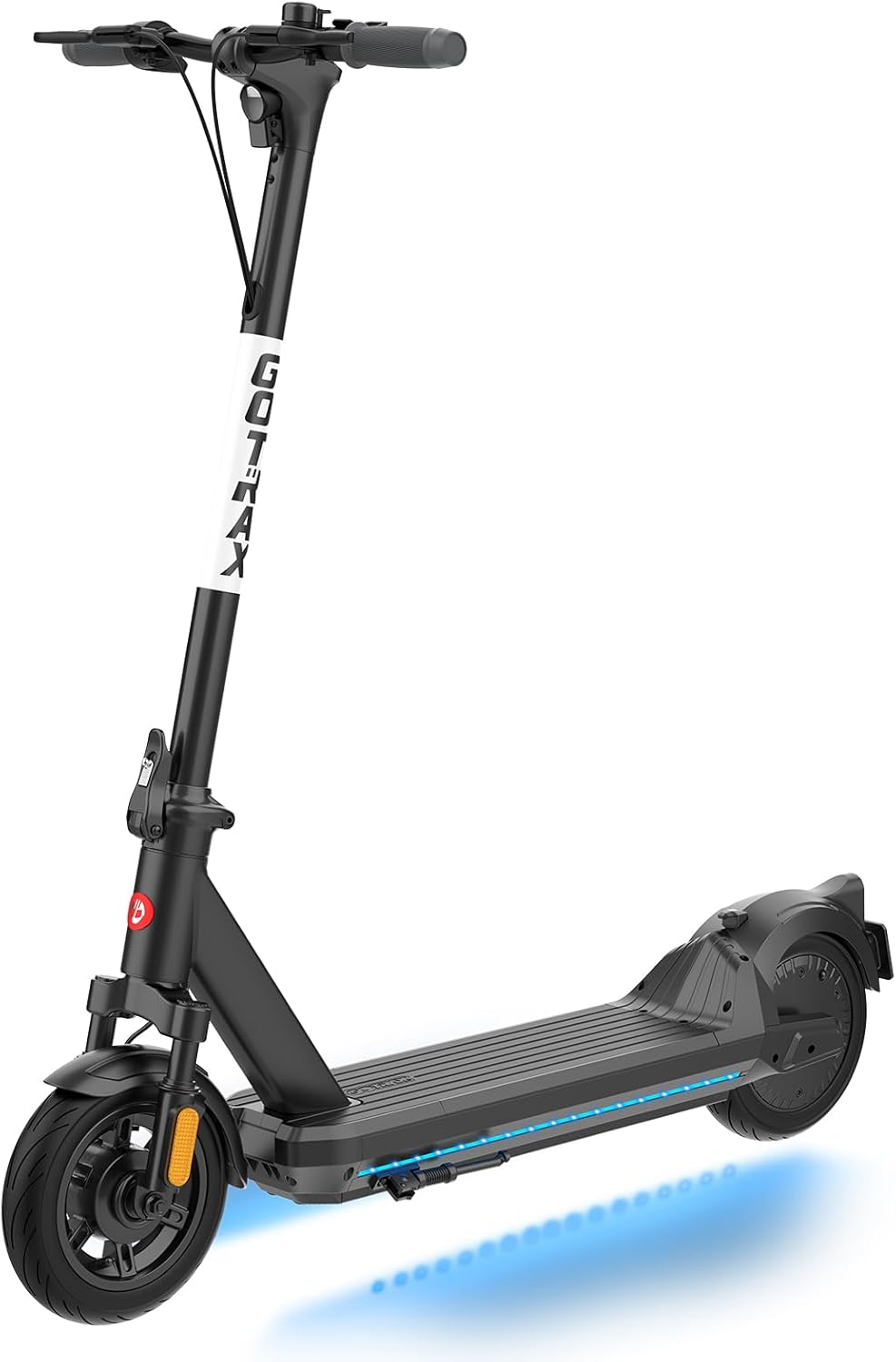
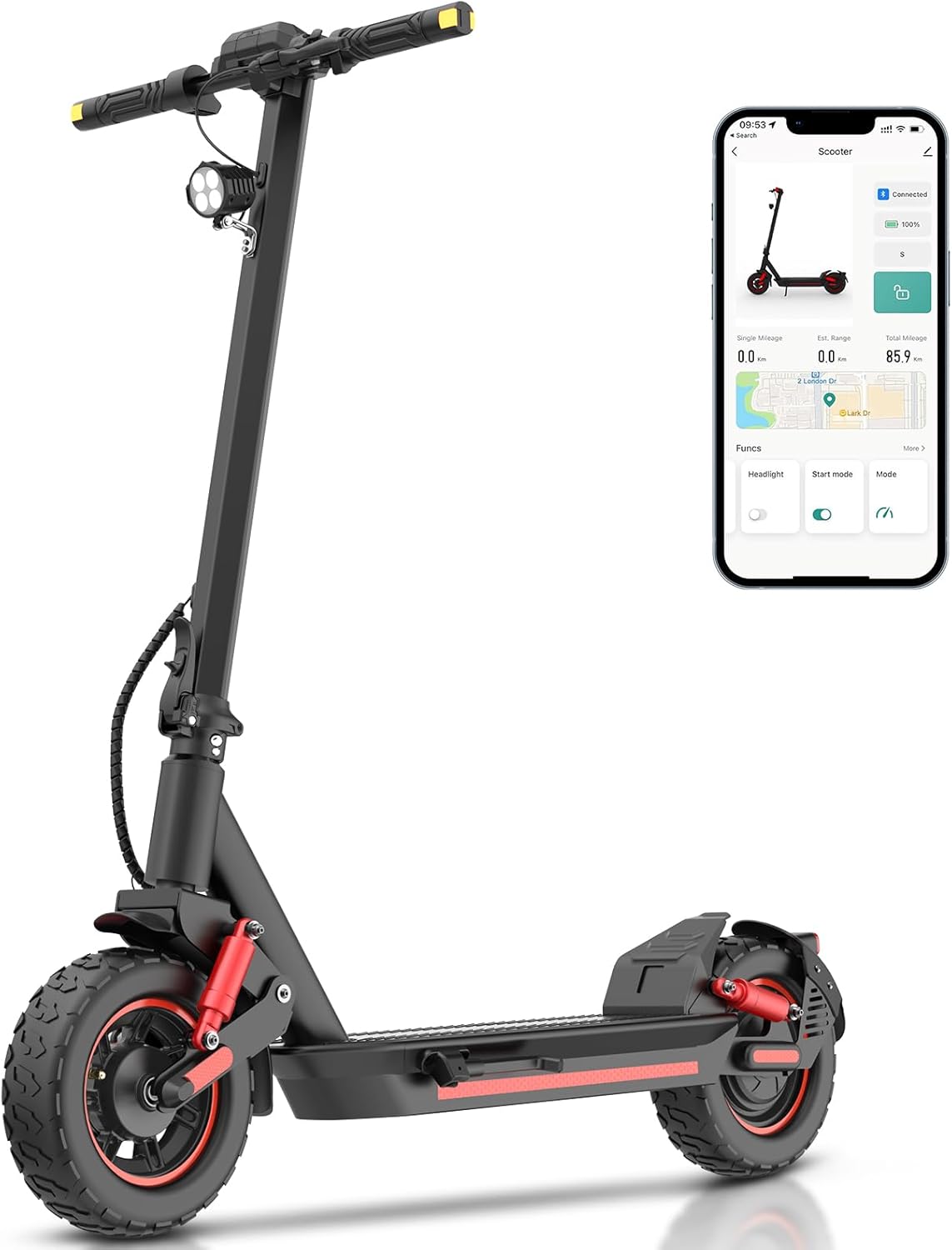
Featured & Recommended E-Scooters

Final Thoughts
Basic e-scooter maintenance is simple, quick, and can dramatically improve the safety and performance of your ride. By cleaning regularly, checking tyres and brakes, maintaining battery health, and inspecting key components, you can keep your scooter running smoothly for years. Whether you use your scooter for commuting, errands, or weekend rides, a few minutes of care at home will help protect your investment and ensure every ride is safe and enjoyable.